

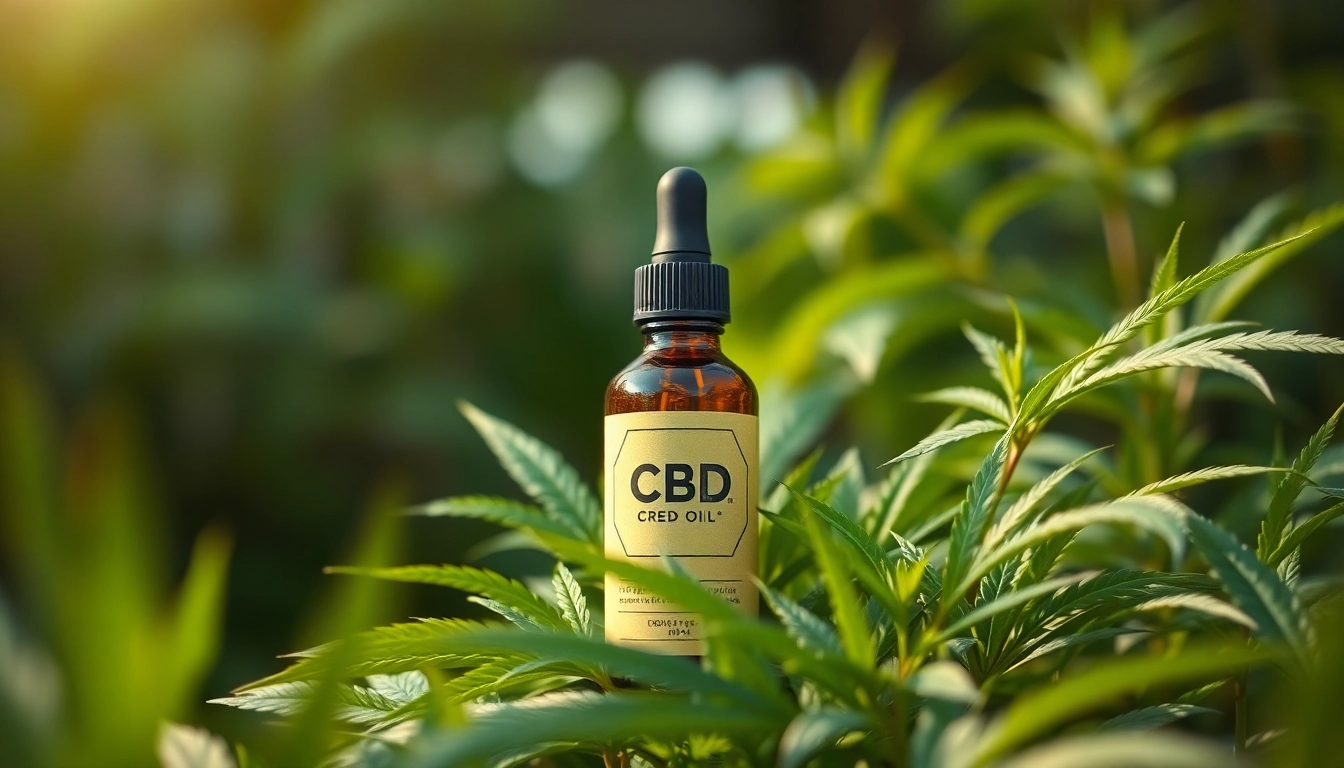
What is CBD and How Does It Work?
CBD, or cannabidiol, is one of over a hundred active compounds known as cannabinoids found in the cannabis plant. Unlike its well-known counterpart THC (tetrahydrocannabinol), CBD does not have psychoactive effects, meaning it won’t induce a high experience commonly associated with marijuana usage. In recent years, CBD has gained significant popularity for its potential health benefits and therapeutic applications.
Cannabinoids Explained
Cannabinoids are chemical compounds that interact with the body’s endocannabinoid system (ECS), which plays a crucial role in maintaining homeostasis or balance within the body. This system comprises receptors, endocannabinoids, and enzymes. When cannabinoids are introduced into the body, they bind to these receptors, influencing various physiological processes.
The Endocannabinoid System
The endocannabinoid system is an intricate network consisting of two main types of receptors: CB1 and CB2. CB1 receptors are primarily located in the brain and central nervous system, while CB2 receptors are found throughout peripheral tissues, including the immune system. The activation of these receptors affects pain, mood, appetite, immune response, and even memory. CBD primarily interacts with these receptors indirectly, contributing to its wide-ranging effects and potential therapeutic benefits.
CBD vs. THC: Key Differences
While both CBD and THC stem from the cannabis plant and interact with the ECS, their effects on the body are distinctly different. THC is known for its psychoactive properties and tends to induce feelings of euphoria, anxiety, or paranoia in some users. Conversely, CBD is non-psychoactive and may be better tolerated, often providing benefits such as anxiety relief or anti-inflammatory properties without any intoxicating effects. Understanding these differences is crucial for users seeking specific outcomes from their cannabis products.
The Health Benefits of CBD
Numerous studies and anecdotal evidence suggest a variety of health benefits associated with CBD. Its ability to influence the ECS may lead to effective treatments, particularly for those who are hesitant about the psychoactive components of THC. Here are some notable applications of CBD in health and wellness:
Anxiety Relief with CBD
One of the most robust findings in recent years is CBD’s potential role in alleviating anxiety. Research indicates that CBD can help reduce symptoms of anxiety disorders, including social anxiety, generalized anxiety disorder, and PTSD. By interacting with the body’s neurotransmitter systems, CBD may enhance serotonin levels, a neurotransmitter known to influence mood and anxiety.
CBD for Pain Management
CBD has shown promise in managing chronic pain conditions, including arthritis, fibromyalgia, and multiple sclerosis. The anti-inflammatory properties of CBD can reduce pain, making it a potential alternative to traditional pain relief medications that often come with side effects. Early studies suggest CBD’s ability to help alleviate pain may be particularly beneficial for users seeking non-addictive options.
Potential Neuroprotective Properties
Emerging research points to CBD’s neuroprotective qualities, which may serve therapeutic roles in neurological disorders such as epilepsy and multiple sclerosis. The FDA has even approved Epidiolex, a purified form of CBD, for treating specific forms of epilepsy. Ongoing studies continue to explore CBD’s potential to promote brain health and function.
Forms of CBD: Which One is Right for You?
CBD is available in various forms, each with unique benefits and methods of consumption. Understanding these options can help individuals make informed choices about incorporating CBD into their health and wellness routines.
Oils and Tinctures
CBD oils and tinctures are among the most popular forms of CBD products. These are typically taken sublingually (under the tongue) for fast absorption. Oils can vary in concentration and potency, allowing users to tailor their dosages according to their needs. Many users appreciate the ease of adjusting their intake, often starting low and gradually increasing until desired effects are achieved.
Edibles and Gummies
Edibles, including gummies, represent a fun and tasty way to consume CBD. They offer a discreet method of dosing, making them suitable for public consumption. However, it’s important to consider that edibles may take longer to deliver effects due to digestion processes. Users should be cautious when determining dosages with edibles, especially if they are new to CBD.
Topicals and Creams
Topical formulations such as creams, balms, and salves are designed for localized application. Ideal for joint or muscle pain, these products can provide immediate relief directly to the affected area without entering the bloodstream. This targeted approach makes topical CBD an attractive option for users seeking relief from specific discomforts.
Considerations and Risks of Using CBD
Despite its potential benefits, users should be aware of potential risks and considerations when using CBD. The following sections break down some important factors to keep in mind.
Potential Side Effects
While CBD is generally well-tolerated, it can produce some side effects, particularly at high doses. Common side effects may include dry mouth, drowsiness, changes in appetite, and diarrhea. It’s crucial for users to start with small doses and monitor their body’s response before increasing their intake.
Drug Interactions to Be Aware Of
CBD can interact with certain medications, especially those processed by the liver. It inhibits the activity of cytochrome P450 enzymes, which play a key role in metabolizing many prescriptions. Individuals taking medications should consult with a healthcare professional before starting CBD to avoid potential interactions and ensure safe usage.
Quality and Sourcing: What to Look For
As the CBD market expands, it is critical for consumers to be discerning about product quality and sourcing. Users should seek reputable brands that provide third-party lab results to verify product potency and purity. Additionally, choosing products derived from organically grown hemp can enhance safety and efficacy, supporting an overall positive experience with CBD.
How to Choose the Right CBD Product
Choosing the right CBD product involves understanding your needs and the specifics of various formulations. This section provides guidance on selecting suitable products.
Understanding Product Labels
When selecting a CBD product, it’s essential to read the label carefully. Key information to look for includes the total amount of CBD per serving, the type of CBD used (full-spectrum, broad-spectrum, or isolate), and other ingredients. Transparency in labeling indicates credibility, allowing consumers to make informed decisions.
Full-Spectrum vs. Broad-Spectrum CBD
Full-spectrum CBD contains all cannabinoids found naturally in the cannabis plant, including trace amounts of THC (not exceeding 0.3%). This may promote an “entourage effect” where the combined compounds work synergistically for enhanced benefits. Broad-spectrum CBD, on the other hand, retains multiple cannabinoids except for THC, making it suitable for users wishing to avoid THC while still benefiting from other cannabinoids.
Third-Party Testing and Transparency
Assuring product quality involves third-party testing, which verifies a CBD product’s content and purity. Reputable brands should provide easy accessibility to their test results, fostering trust and confidence among consumers. When choosing a CBD product, look for brands that emphasize transparency and adhere to rigorous testing protocols.