

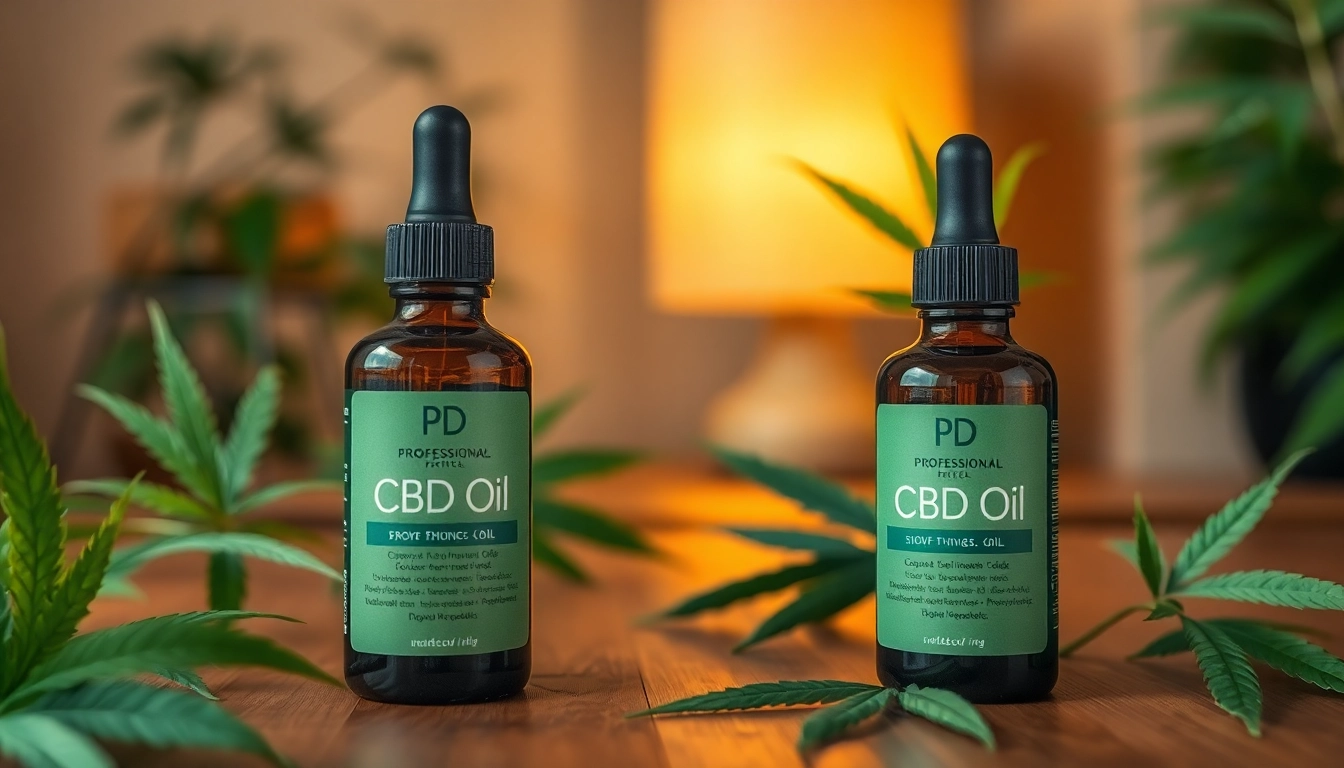
Understanding CBD Oil and Its Origins
What is CBD Oil?
Cannabidiol (CBD) oil is a natural extract derived from the cannabis plant, specifically from hemp. Unlike its more famous counterpart, THC (tetrahydrocannabinol), CBD does not produce psychoactive effects, meaning it doesn’t induce a “high.” Instead, CBD Oil is celebrated for its potential therapeutic benefits. As interest grows, particularly regarding natural remedies, CBD oil has emerged as a staple in holistic health practices.
How is CBD Oil Extracted?
The extraction of CBD oil involves several techniques to isolate CBD from the cannabis plant. The most common methods include:
- CO2 Extraction: This method uses carbon dioxide under high pressure and low temperature to extract CBD in a purer form. It’s considered the safest and most efficient extraction process.
- SOLVENT Extraction: In this method, solvents like ethanol or butane dissolve cannabinoids from plant material, though it can result in residual solvent traces in the final product.
- OLIVE OIL Extraction: A traditional method where olive oil is heated with the plant material to extract cannabinoids. The oil needs to be evaporated after extraction, leaving behind a potent CBD oil.
Each extraction method has its pros and cons, affecting the quality, flavor, and purity of the final product.
The Difference Between CBD Oil and THC
Understanding the key differences between CBD and THC is crucial for consumers exploring cannabis options. THC is the primary psychoactive component of cannabis and can produce euphoria or impairment. In contrast, CBD is non-intoxicating and is often used for its potential health benefits without affecting mental clarity. Moreover, CBD has been studied for its potential therapeutic effects on conditions such as anxiety, inflammation, and chronic pain, making it increasingly popular for those seeking relief without the unintended effects of THC.
Health Benefits of CBD Oil
CBD Oil for Pain Management
CBD oil has shown promise in managing various types of pain, from chronic pain conditions such as arthritis to acute pain from injuries. Studies suggest that CBD interacts with the body’s endocannabinoid system, which plays a vital role in regulating pain and inflammation. Anecdotal evidence highlights that many users report significant reductions in pain and discomfort after using CBD oil.
Reducing Anxiety and Stress with CBD Oil
With rising levels of stress and anxiety in society, many individuals are turning to CBD oil as a natural remedy. Research has demonstrated that CBD can have a calming effect on the nervous system and may reduce symptoms of anxiety and depression. Studies indicate that CBD interacts with serotonin receptors in the brain, which are known to influence mood and anxiety levels.
Additionally, some users find benefit from using CBD oil before public speaking or other anxiety-inducing situations, using it as a natural alternative to traditional anxiolytics.
Potential Neuroprotective Properties of CBD Oil
Emerging research suggests that CBD may have neuroprotective properties, which could be beneficial for neurological disorders. Studies exploring conditions such as epilepsy have shown significant promise, with CBD oil being utilized effectively to reduce seizure frequency in certain forms of epilepsy. Furthermore, early studies indicate that CBD may possess antioxidant and anti-inflammatory properties, which could help protect nerve cells in neurological diseases like Alzheimer’s and Parkinson’s.
How to Use CBD Oil Effectively
Dosage Guidelines for CBD Oil
Finding the right dosage for CBD oil can be a personal journey as the ideal amount varies by individual factors such as body weight, the severity of condition, and individual body chemistry. Beginners are often advised to start with a low dose and gradually increase until they find relief. Typical starting doses can range from 5 to 10 mg daily, with increments based on response. Keeping a journal of CBD oil use and effects can aid in finding the optimal dosage.
Different Methods of Consumption
CBD oil can be consumed in various ways, each method offering distinct benefits:
- Oral Consumption: CBD oil can be taken directly or added to food and drinks. This method offers a slower onset of effects but provides long-lasting relief.
- Sublingual Drops: Placing drops under the tongue allows for rapid absorption into the bloodstream, yielding quicker effects.
- Topical Application: CBD oil infused topical products can be applied directly to the skin for localized relief from pain and inflammation.
- Capsules and Edibles: Pre-dosed and convenient, these products are ideal for those who prefer a more discreet method.
- Vaping: Although controversial due to health concerns, vaping allows for quick absorption and immediate effects.
Choosing Quality CBD Oil Products
When evaluating CBD oil products, several factors must be considered to ensure quality and efficacy:
- Source of Cannabis: Look for products derived from organic hemp to avoid pesticides and contaminants.
- Third-Party Testing: Quality brands will have their products tested by independent labs to verify purity and potency. Look for Certificates of Analysis (COAs).
- Full-spectrum vs. Isolate: Full-spectrum oils contain a range of cannabinoids and terpenes, which may offer enhanced therapeutic effects through the entourage effect.
- Reputation and Reviews: Consider brands with positive customer feedback and a track record of safety and reliability.
Potential Side Effects and Risks of CBD Oil
Common Side Effects of CBD Oil
While many people tolerate CBD oil well, some potential side effects include:
- Drowsiness
- Dry mouth
- Changes in appetite
- Diarrhea
- Nausea
These side effects may vary based on individual responses and dosage. It’s essential to start at a lower dosage to observe how your body reacts before increasing intake.
Safety Considerations While Using CBD Oil
Although generally considered safe, CBD oil may interact with certain medications, particularly those processed by the liver. Consulting with a healthcare provider is crucial, especially for individuals already taking medications for conditions like epilepsy or blood thinners, to avoid potential drug interactions.
Who Should Avoid CBD Oil?
People with certain medical conditions or those who are pregnant or breastfeeding should exercise caution regarding the use of CBD oil. Individuals with a history of allergic reactions to cannabis should avoid it, as well as anyone with liver disease unless otherwise advised by a healthcare professional.
Future Research and Developments in CBD Oil
Current Studies on CBD Oil Benefits
Current research on CBD oil is expanding rapidly, with multiple studies probing its effects on various health conditions. Areas of interest include potential benefits in treating chronic pain, anxiety disorders, and neurodegenerative diseases. As researchers continue to explore the pharmacological effects of CBD, more robust clinical trials are anticipated to define its efficacy and safety parameters further.
Legal Status and Regulatory Perspectives
The legal status of CBD oil varies by region and is constantly evolving. In many places, CBD derived from hemp with less than 0.3% THC is legal. However, regulatory frameworks continue to develop, and users should remain informed about local laws to ensure compliance when purchasing or consuming CBD oil.
Innovations in CBD Oil Formulations
The CBD market is witnessing innovations in product formulations and delivery systems. Enhanced bioavailability products, like nano-emulsified CBD, allow for improved absorption and efficacy. Additionally, formulations combining CBD with other natural compounds, such as adaptogens or essential oils, aim to enhance health benefits and cater to specific wellness needs.