

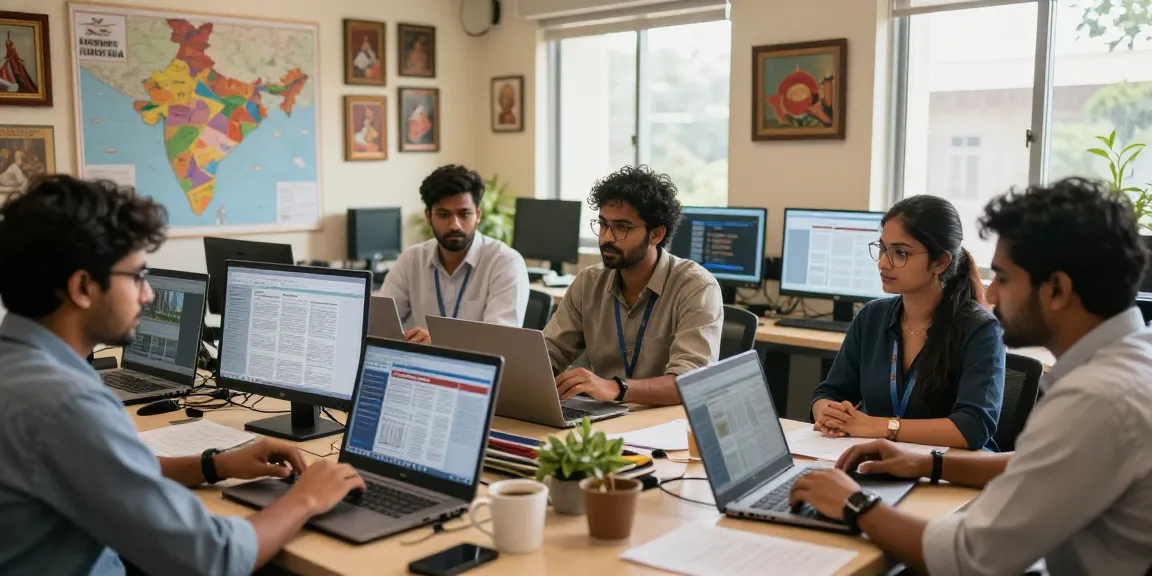
The Importance of Reliable News in Modern India
In today’s fast-paced world, access to reliable news is more crucial than ever, especially in a diverse and dynamic country like India. As the nation navigates various challenges and transformations, having an informed populace is essential for a functioning democracy. At the forefront of this information revolution is NAGA2000, a dedicated news portal that simplifies the complexities of Indian current affairs for audiences both within and beyond its borders. With its comprehensive coverage, readers can stay updated on vital issues impacting India without the ambiguity often present in English-language sources. As we delve deeper, we will explore the nuances of India’s media landscape and the imperative for trusted news sources in the 21st century. For more details, visit https://www.theindaily.com.
Understanding Media Landscape and Its Challenges
The media landscape in India is vast and multifaceted, characterized by a mix of both traditional and digital platforms. Despite the proliferation of news outlets, challenges such as misinformation and sensationalism continue to plague the industry. The challenge for news consumers is to distinguish between credible reporting and misleading narratives. This differentiation is vital, as the stakes are high; misinformation can lead to societal discord and undermine trust in democratic institutions.
Additionally, the rapid advancement of technology has transformed how news is consumed. While this offers unprecedented access to information, it also means that misinformation can spread just as quickly, if not more so, than credible news. As a result, media literacy and critical thinking skills are becoming increasingly essential for readers to navigate this complex landscape.
Role of Trusted Sources in Information Accuracy
Trusted news sources play a pivotal role in ensuring that the information received by the public is accurate and reliable. Platforms like NAGA2000 focus on delivering content that is well-researched, providing context and depth to key issues affecting India. Such platforms are crucial not just for domestic audiences but also for international readers looking for insights into Indian affairs.
Moreover, reputable news sources often have editorial standards and fact-checking processes in place that help mitigate the spread of false information. This commitment to journalistic integrity fosters trust among readers, which is essential in an era where skepticism towards media is on the rise.
Impact of Language on News Consumption
Language can significantly influence how news is consumed and understood. In a multilingual country like India, news is often presented in various regional languages, which may not always be accessible to everyone. This linguistic diversity makes platforms like NAGA2000 particularly valuable, as they offer news in a way that is digestible for readers who may struggle with English-language sources.
Moreover, understanding cultural context is vital; news that resonates with local audiences often needs to be framed in a way that reflects their experiences and expectations. Therefore, sourcing news that respects these nuances is essential for fostering a well-informed public.
Current Affairs: Key Issues Shaping India
Political Dynamics: Elections and Governance
The political landscape in India is continually evolving, with elections providing a barometer for public sentiment. As we approach the general elections scheduled for 2026, the political dynamics are shaping up to be a critical aspect of national discourse. Key issues such as governance, corruption, and political representation are at the forefront of voters’ minds.
The role of technology in political campaigns is also increasing, allowing candidates to engage with voters more effectively through social media and targeted advertising. However, this reliance on digital platforms can also raise concerns about privacy and the ethical use of data.
Economic Growth: Trends and Predictions for 2026
As India positions itself as a global economic player, understanding the trends shaping its economy is crucial. Forecasts suggest that India will experience sustained growth over the next few years, driven by advancements in technology, manufacturing, and service sectors. The government’s push for initiatives like ‘Make in India’ and digital transformation is expected to yield significant economic dividends.
Nonetheless, challenges such as unemployment and inflation persist, requiring strategic planning and policy interventions to ensure inclusive growth. Stakeholders must address these issues to secure a prosperous future for all segments of the populace.
Cultural Developments: The Evolution of Pop Culture
The cultural landscape in India is equally vibrant, reflecting the country’s rich heritage and modern influences. From cinema to music, and fashion to literature, contemporary Indian pop culture is a fusion of traditional and global elements. This evolution offers unique insights into societal changes and helps foster a shared sense of identity among diverse populations.
Platforms like NAGA2000 also cater to this interest, exploring how cultural trends influence public opinion and discourse. Understanding these dynamics can enrich one’s perspective on current events, making cultural literacy an essential component of news consumption.
How to Stay Informed: Navigating News Sources
Evaluating Credibility of News Platforms
With an overwhelming amount of information available, evaluating the credibility of news platforms is essential. Reliable news sources typically adhere to journalistic standards, employ qualified reporters, and have a transparent editorial process. Readers should look for these indicators when selecting where to get their news.
Cross-referencing information across multiple reputable sources can also provide a more rounded perspective and help debunk misinformation. This practice encourages readers to engage with news critically rather than passively accepting information at face value.
Leveraging Technology for Real-Time Updates
In the digital age, technology plays a crucial role in delivering real-time updates on current affairs. News apps, social media platforms, and online news portals provide instant access to information. However, readers must balance the speed of information with its accuracy. Platforms that prioritize breaking news may sometimes sacrifice in-depth analysis for immediacy, leading to superficial understanding.
Utilizing tools like news aggregators can help consolidate information from various sources, ensuring that readers obtain a comprehensive view of ongoing events.
Adapting to Language Barriers in News Reporting
As mentioned earlier, language barriers can hinder access to essential information. News platforms that offer multilingual content significantly enhance the accessibility of information, allowing broader audiences to engage with important topics. Additionally, employing simple, clear language aids understanding, especially when discussing complex issues.
Readers should seek out publications that prioritize clarity and accessibility, ensuring that critical messages do not get lost in translation.
Future of Journalism in India: Trends to Watch
Digital Transformation and News Consumption
The future of journalism in India is closely tied to ongoing digital transformation trends. As more readers shift to digital media for their news consumption, traditional news outlets are adapting their strategies to meet this demand. Innovations like virtual reality reporting and interactive infographics are gaining traction, offering immersive experiences that enhance storytelling.
Moreover, subscription-based models are emerging as a sustainable way for news organizations to fund quality journalism. However, this shift also raises questions about access and equity in news consumption, as not everyone may afford such services.
Growing Influence of Social Media on Reporting
Social media continues to shape how news is reported and consumed, offering a platform for both traditional journalists and citizen reporters. While social media enables rapid dissemination of information, it also amplifies the risk of spreading misinformation. Therefore, establishing robust fact-checking protocols is vital for maintaining credibility amidst the chaos of user-generated content.
Journalists are increasingly leveraging social media for sourcing information and engaging with audiences, making it an integral part of the news ecosystem.
Emerging Journalistic Practices and Ethics
The evolving landscape demands that journalists adapt not only their reporting practices but also their ethical standards. As the lines between reporting and advocacy blur, maintaining objectivity becomes essential. Furthermore, issues like data privacy and the ethical use of technology in journalism need careful consideration as media organizations navigate the digital age.
Training and professional development in ethical journalism practices will be crucial for upcoming journalists to uphold the integrity of the profession.
Engagement Strategies for News Readers
Participatory Journalism and Public Involvement
Engaging the audience in the journalistic process is becoming increasingly important. Participatory journalism invites public involvement in news creation, allowing readers to contribute their perspectives and experiences. This approach can lead to richer, more nuanced storytelling that resonates on a personal level.
Encouraging dialogue between journalists and the community fosters a sense of shared ownership of the news, which can enhance trust and engagement.
Utilizing Feedback for Improved News Quality
News organizations that actively solicit and incorporate feedback from their audience can significantly enhance their reporting quality. Reader surveys, comments, and social media interactions provide valuable insights into what the audience values and needs. Adapting content based on audience feedback not only improves quality but also fosters loyalty among readers.
Building a Community Around News Consumption
Creating a community around news consumption can help individuals feel more connected to the stories they read. Platforms that encourage discussion, whether through comments, forums, or social media, can enhance the reader experience. These communities allow for diverse perspectives to emerge, enriching the overall discourse and fostering understanding among differing viewpoints.
Frequently Asked Questions
How can I access news in multiple languages?
Many news platforms, including NAGA2000, offer content in various languages, making it easier for readers to engage with the news in their preferred language. Look for news outlets that prioritize multilingual reporting to broaden your access to information.
What are the most important topics in Indian news today?
Key topics currently shaping Indian news include political developments ahead of the 2026 elections, economic recovery strategies post-pandemic, and cultural trends reflecting a blend of traditional and modern influences.
How is the digital landscape affecting journalism?
The digital landscape is transforming journalism by emphasizing speed, accessibility, and interactivity while also introducing challenges like misinformation and declining trust. Journalists must adapt to these changes while maintaining ethical standards and quality reporting.
What strategies can help improve news coverage?
Strategies to improve news coverage include fostering diversity in reporting, utilizing technology for real-time updates, and engaging readers through participatory practices and feedback mechanisms.
How can I verify the credibility of news sources?
To verify the credibility of news sources, check their editorial standards, cross-reference information across multiple reputable outlets, and be wary of sensationalized headlines or unsupported claims. Building media literacy skills is essential for discerning credible news.
