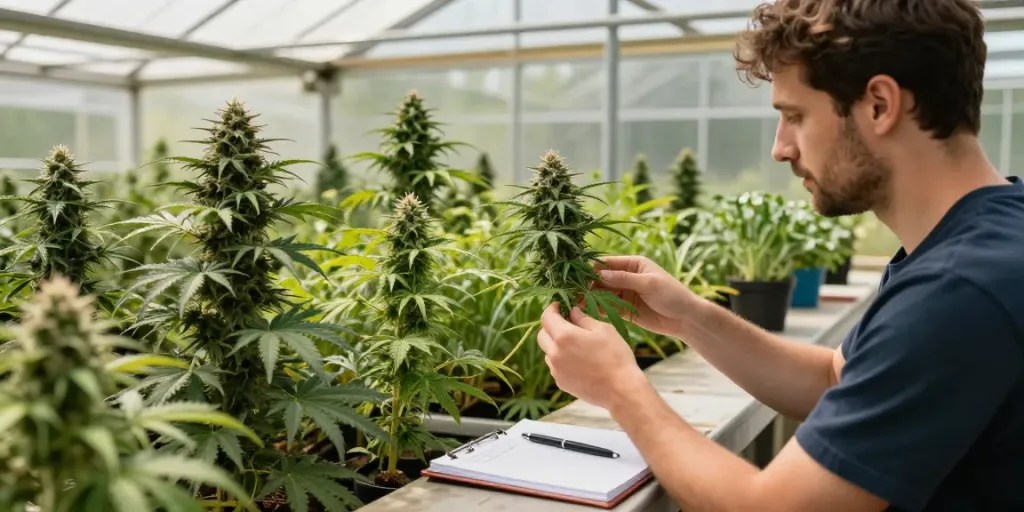
Understanding Cannabis Breeding Genetics
Cannabis breeding has evolved over the years, becoming a sophisticated practice that blends art and science. As the industry diversifies, understanding the principles of cannabis breeding genetics is crucial for both novice growers and experienced cultivators. Regular cannabis seeds play a pivotal role in this context, offering unique opportunities for breeding projects, phenotype selection, and preservation of genetic diversity. In this article, we will delve deep into the intricacies of cannabis breeding genetics, focusing on regular seeds, their significance, and how they differ from feminized and autoflower varieties.
What Are Regular Cannabis Seeds?
Regular cannabis seeds are a product of natural fertilization processes, resulting in a mixture of male and female plants. Unlike feminized seeds, which have been altered to eliminate male chromosomes, regular seeds retain the ability to produce both sexes. This characteristic is essential for growers interested in breeding and maintaining genetic diversity. The seeds may produce plants that are genetically stable and capable of expressing a range of traits depending on the genetic background of the parent plants.
Key Characteristics of Regular Seeds
- Genetic Variation: Regular seeds can produce a diverse population of plants, each possessing unique traits. This is vital for breeders looking to select specific characteristics, such as potency or aroma.
- Male and Female Plants: Regular seeds yield both male and female cannabis plants, allowing breeders to engage in controlled cross-breeding to enhance desirable traits.
- Unfeminized Nature: Regular seeds are not subjected to feminization processes, ensuring the authenticity of the breeding lineage.
Benefits of Regular Genetics in Cultivation
Regular cannabis seeds offer several advantages for cultivators and breeders alike. These seeds allow for the preservation of traditional genetics and contribute to a broader gene pool necessary for healthy breeding projects. Additionally, growers can identify phenotypes that exhibit preferred traits such as yield, flavor, and resistance to pests or disease, which can lead to more robust strains.
The Science Behind Cannabis Breeding
Understanding the science behind cannabis breeding helps growers make informed decisions when selecting seeds. A solid grasp of genetics is essential to achieving successful breeding outcomes and improving the overall quality of cultivated plants.
Fundamentals of Genetics in Cannabis Plants
Cannabis genetics hinges on the principles of heredity, where traits are passed from parent plants to offspring. The genetic makeup of a cannabis plant is dictated by its DNA, which is composed of alleles that control specific traits. Successful breeding often involves understanding dominant and recessive traits, allowing breeders to predict the phenotypes that will emerge from specific crossings.
Regular vs. Feminized vs. Autoflower Seeds
It's crucial to distinguish between regular, feminized, and autoflower cannabis seeds as each serves different purposes:
- Regular Seeds: Contain both male and female plants; ideal for breeding.
- Feminized Seeds: Produce only female plants, benefiting growers who want seedless buds.
- Autoflower Seeds: Switch from vegetative to flowering stages automatically, regardless of light cycles, making them suitable for quick harvests.
Breeding Techniques and Methodologies
Breeders utilize various techniques to create specific cannabis strains. The most common methods include:
- Backcrossing: Involves crossing a hybrid plant back with one of its parents to reinforce desired traits.
- Hybridization: Combining two distinct strains to produce offspring with desirable traits from both parents.
- Selection: Choosing plants that show superior traits for further breeding, which can enhance overall strain quality over generations.
Choosing the Right Genetics for Breeding
When embarking on a cannabis breeding project, selecting the right genetics is paramount to achieving the desired outcomes. Several factors must be considered to ensure success.
Identifying Desirable Traits in Parent Plants
Growers need to carefully assess the traits of potential parent plants. Traits such as yield, flavor, THC/CBD content, and resistance to pests are essential in selecting the best candidates for breeding. The goal is to combine genes that will produce offspring with enhanced characteristics.
Evaluating Stability and Vigor of Cultivars
Selecting stable and vigorous cultivars is critical. Stability refers to how reliably a strain expresses its traits over generations, while vigor relates to the growth rate and health of the plants. Breeders should prioritize cultivars that exhibit robust growth patterns and consistent phenotype expression.
Phenotype Hunting Strategies for Growers
Phenotype hunting involves growing a variety of seeds to identify plants with desirable traits. It requires patience and a keen eye. Growers should document the characteristics of each plant, including growth patterns, flower composition, and overall health, to make informed decisions for future breeding projects.
Common Challenges in Cannabis Breeding
While cannabis breeding can be rewarding, several challenges may arise that breeders must navigate.
Misconceptions About Regular Seeds
A common misconception is that regular seeds are of lower quality compared to feminized or autoflower seeds. This is not true; regular seeds are simply a different format that offers unique opportunities for robust breeding projects and genetic preservation.
Managing Male and Female Plant Relationships
Successfully managing male and female plants is crucial, especially when seedless flowers are the goal. Growers must identify and eliminate male plants before they pollinate females to prevent unwanted seeds in their harvest. This requires careful monitoring as plants mature.
Strategies to Overcome Breeding Obstacles
Breeders may face several obstacles, including genetic drift and plant diseases. To combat these issues, maintaining a diverse gene pool and selecting only the healthiest plants for breeding can help mitigate risks. Additionally, implementing rigorous sanitation practices can prevent disease spread in breeding environments.
Future Trends in Cannabis Breeding Genetics
The field of cannabis breeding is always evolving, with new trends emerging that reflect changes in technology and consumer preferences. Understanding these trends can prepare breeders for the future.
Innovative Practices to Watch in 2026
With advancements in breeding technology, genetic mapping, and DNA sequencing are becoming increasingly accessible for breeders. These technologies can enable precise breeding strategies, allowing for the selection of traits at a molecular level, thus improving the efficacy of breeding programs.
Impact of Technology on Cannabis Breeding
As technology progresses, tools such as CRISPR gene editing may be applied to cannabis breeding, leading to the development of strains with targeted traits, such as increased resilience to pests or higher cannabinoid content. This technological integration can streamline the breeding process and enhance genetic editing precision.
Predicted Changes in Genetic Diversity and Sustainability
As the cannabis industry grows, there is a pressing need for sustainable breeding practices that maintain genetic diversity. Breeders are increasingly focused on preserving heirloom strains and wild cannabis relatives, which can contribute valuable genetics to modern breeding projects. This trend will likely lead to a more robust genetic foundation for future cannabis cultivars.
Frequently Asked Questions
What Advantages Do Regular Seeds Offer for Breeding?
Regular seeds provide a balanced genetic composition, allowing breeders to produce both male and female plants. This diversity is crucial for creating new hybrids and preserving genetic traits over time.
How Do I Know Which Cannabis Genetics to Choose?
Choosing the right cannabis genetics involves understanding the traits you wish to enhance. Researching parent plants, their lineage, and desired phenotypes can guide your selections.
What’s the Difference Between Regular and Feminized Seeds?
Regular seeds produce both male and female plants, while feminized seeds are engineered to produce only females, which is beneficial for growers seeking seedless harvests.
Can I Use Regular Seeds for Indoor Growing?
Yes, regular seeds can be successfully grown indoors. However, growers must monitor for male plants if they want to produce seedless flowers.
What Are the Risks of Breeding with Regular Seeds?
Breeding with regular seeds involves the risk of unintentional pollination if male plants are not adequately managed. Additionally, genetic variability can lead to unexpected traits in offspring.
Is it Legal to Buy Regular Seeds Online?
Legalities vary by region. Always check local regulations regarding the purchase, germination, and cultivation of cannabis seeds to remain compliant with the law.