
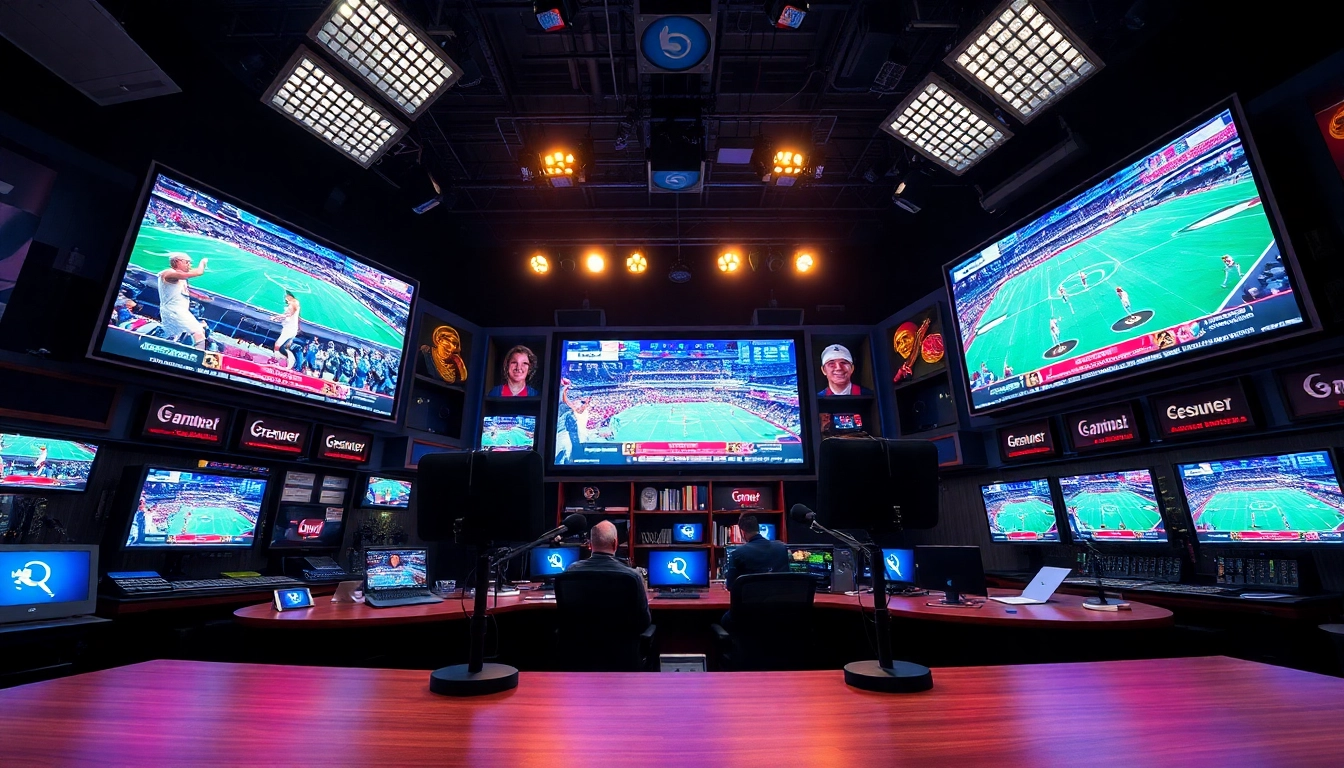
Introduction to Sports Broadcasting
Sports broadcasting has emerged as a key player in the entertainment industry, bringing live sports events to millions of fans worldwide. This dynamic sector blends technology, storytelling, and audience engagement to create an immersive viewing experience. As the industry evolves, understanding the Sports Broadcasting landscape becomes crucial for broadcasters, marketers, and consumers alike.
The Importance of Sports Broadcasting
Sports broadcasting serves as a vital link between the live sporting events and their fans. It enriches the fan experience by providing context, analysis, and excitement. Broadcasters not only deliver the action but also create narratives that resonate with viewers, adding layers to what they see on the field or court. Effective sports broadcasting can turn a regular game into a memorable event, drawing audiences into the drama and emotions that unfold.
Overview of the Sports Broadcasting Landscape
The sports broadcasting landscape is multifaceted, encompassing traditional television, radio, and the growing influence of digital platforms. As audiences shift towards streaming services, broadcasters are adapting their strategies to cater to this trend. From local community games to international championships, sports broadcasting covers a wide range of events, each with unique viewer demographics and engagement strategies.
Historical Evolution of Sports Broadcasting
The history of sports broadcasting traces back to the 1920s when radio broadcasts of baseball games first captivated audiences. As technology advanced, television became the primary medium for sports broadcasts in the mid-20th century. The evolution continued with the advent of color TV, satellite broadcasts, and, most recently, online streaming. Each technological leap has transformed how sports content is produced and consumed, shaping the current landscape into a highly interactive and engaging format.
Key Components of Effective Sports Broadcasting
Understanding Audience Engagement in Sports Broadcasting
Effective audience engagement is crucial for broadcasters. Understanding the demographics and preferences of the target audience allows for tailored content that resonates deeply. Techniques such as real-time statistics, interactive polls, and fan integration during broadcasts enable a two-way communication channel, enhancing viewer loyalty. Broadcasters that prioritize audience engagement can drive higher viewership and build communities around their content.
Technical Equipment and Setup for Sports Broadcasting
Technical setup is one of the cornerstones of successful sports broadcasting. This includes high-definition cameras, drones for aerial shots, and advanced audio systems capable of capturing the atmosphere of live events. A reliable crew and state-of-the-art production software streamline the broadcast process, ensuring flawless execution regardless of the event's complexity. Understanding the hardware and software options available can drastically improve the quality of the live broadcast.
Roles and Responsibilities in Sports Broadcasting Teams
Sports broadcasting involves a myriad of professionals, each playing a critical role. From on-air talent, such as commentators and analysts, to behind-the-scenes staff like producers and camera operators, collaboration is essential. Each member contributes to a seamless broadcast, ensuring that technical issues are resolved quickly and that engaging content is delivered to audiences in real-time.
Challenges in Sports Broadcasting
Dealing with Live Event Uncertainties
One of the biggest challenges in sports broadcasting is the unpredictability of live events. Injuries, weather changes, and unexpected game outcomes can all affect the planned programming. Broadcasters need to be prepared with contingency plans, such as pre-recorded segments, expert analysis, and viewer interaction opportunities, to maintain viewer engagement, even when events do not unfold as expected.
Managing Viewer Expectations and Reactions
Given the passionate nature of sports fans, managing viewer expectations is vital. Providing clear and accurate information, maintaining transparency during broadcasts, and addressing viewer concerns in real-time can help mitigate negative reactions. Engaging with the audience through social media platforms to gather feedback and foster discussions further strengthens the broadcaster’s reputation for reliability and responsiveness.
Navigating Copyright and Licensing in Sports Broadcasting
Copyright and licensing issues present significant challenges in sports broadcasting. Broadcasters must secure rights to air games, highlights, and commentary from various leagues and organizations. Understanding the legal framework surrounding broadcasting rights is essential for compliance and for avoiding costly repercussions. Moreover, clear communication with audiences about what content is available can enhance viewer trust and satisfaction.
Best Practices for Sports Broadcasting
Building a Strong Personal Brand as a Broadcaster
Personal branding is crucial for broadcasters aiming to leave a lasting impression. A distinctive style, characterized by unique delivery, insightful commentary, and authenticity, can attract and retain viewers. Leveraging social media to share professional experiences, insights, and behind-the-scenes anecdotes also helps in building a robust personal brand that resonates with audiences, encouraging loyalty.
Leveraging Technology for Enhancements in Sports Broadcasting
The incorporation of new technologies such as augmented reality (AR) and virtual reality (VR) into sports broadcasting is revolutionizing the viewer experience. These innovations not only allow for enhanced visual storytelling but also provide viewers with immersive experiences that were previously unattainable. Staying ahead of technological trends can significantly elevate a broadcaster's content and overall viewer satisfaction.
Strategies for Effective Storytelling in Sports Broadcasting
Storytelling is key to engaging sports broadcasts. Crafting narratives around teams, players, and events creates emotional connections with viewers. Broadcasters can use pre-game analytics, post-game breakdowns, and personal player stories to enhance the broadcast context. Employing a narrative arc within a live sporting event fosters a deeper connection and keeps audiences engaged throughout the competition.
The Future of Sports Broadcasting
Emerging Trends in Sports Broadcasting Technology
The future of sports broadcasting will likely be shaped by advancements in technology, such as artificial intelligence (AI) and machine learning, which can analyze game data in real-time. These innovations can provide instant insights and assist commentators during live broadcasts. Additionally, the increase in user-generated content will empower fans to participate in the broadcasting process, further diversifying the viewer experience.
The Impact of Streaming Services on Sports Broadcasting
Streaming services continue to disrupt the traditional sports broadcasting model, as more viewers prefer on-demand and mobile viewing options. As major sports leagues partner with streaming platforms, broadcasters must adapt their strategies to remain competitive. Offering exclusive content, interactive features, and personalized viewer experiences can better align with changing consumer preferences.
Preparing for the Next Generation of Sports Broadcasting
To thrive in the ever-evolving landscape of sports broadcasting, professionals must stay informed about industry trends and viewer expectations. Emphasizing continuous learning, investing in evolving technologies, and maintaining an adaptable mindset will be crucial. Broadcasters that can anticipate and respond to changes will position themselves for success in the dynamic environment of sports entertainment.
FAQs About Sports Broadcasting
What is sports broadcasting?
Sports broadcasting refers to the distribution of sports events, live or recorded, to audiences via television, radio, or online streaming platforms.
How has technology changed sports broadcasting?
Technology has introduced tools like HD broadcasting, VR integration, and analytics, allowing for more immersive viewer experiences and detailed analyses.
What are common roles in a sports broadcasting team?
Common roles include commentators, analysts, producers, camera operators, and technical crew, all working collaboratively to deliver engaging broadcasts.
What challenges do sports broadcasters face?
Challenges include live event unpredictability, managing audience expectations, and navigating legalities related to broadcasting rights and licensing.
What trends define the future of sports broadcasting?
Key trends include the rise of streaming services, integration of AI for real-time analysis, and a focus on audience-driven content enrichment and personalization.