

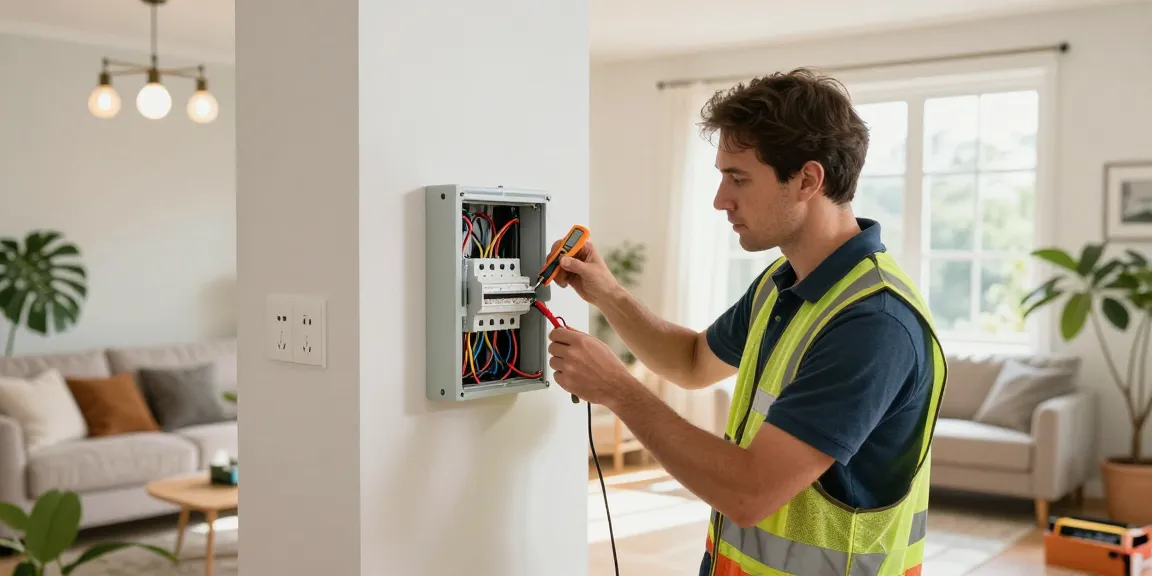
Understanding the Importance of Residential Electrical Infrastructure Upgrades
In today’s fast-paced world, reliable electrical systems are essential for the comfort and safety of our homes. An upgrade to your residential electrical infrastructure can significantly enhance the efficiency and safety of your home’s energy consumption. This type of rework not only protects your appliances but also adds value to your property for the long term. When considering this overhaul, residential electrical infrastructure upgrade provides comprehensive insights into the planning and execution phases that can lead to a successful outcome.
Why Upgrade Your Electrical Systems?
Electrical systems, like any other component of your home, can become outdated. As technology progresses, demands on electricity grow, and your current systems may not suffice. Upgrading your electrical infrastructure allows you to accommodate modern electrical loads and enhances overall efficiency. Furthermore, it minimizes the risk of electrical fires, ensures that your home complies with current regulations, and makes space for future Smart Home technologies.
Common Signs Your Home Needs an Upgrade
- Frequent circuit breaker trips or blown fuses
- Flickering or dimming lights
- Outdated wiring, such as knob-and-tube or aluminum
- Overloaded outlets or power strips
- Buzzing sounds from outlets or switches
If you notice any of these signs, it may be time to consider an upgrade to your residential electrical infrastructure, ensuring that your home remains safe and functional.
Safety Issues Related to Outdated Electrical Systems
Outdated electrical systems pose substantial risks, including potential electrical shocks and fire hazards. Faulty wiring or overloaded circuits can lead to dangerous situations. Aging systems are also less efficient, driving up energy costs and leaving your home vulnerable during peak usage times. By upgrading, you not only improve safety but also ensure compliance with modern electrical codes.
Planning Your Residential Electrical Upgrade
Assessing Your Current Electrical Needs
Before commencing any upgrade, assess your current electrical needs against your lifestyle and future requirements. Consider factors such as the number of devices needing power, the use of high-wattage appliances, and the desire for Smart Home integrations. This comprehensive assessment helps define the scope of work required for a successful upgrade.
Choosing the Right Professionals for the Job
Selecting licensed and experienced electricians for your upgrade is crucial. Look for professionals with good reviews, proper certifications, and familiarity with the latest electrical codes. An electrician who specializes in residential work will have a keen understanding of the unique needs and challenges of home electrical systems.
Budgeting for Your Upgrade: Costs and Financing Options
The cost of upgrading your electrical infrastructure can vary widely based on the size of your home, the extent of the upgrade, and labor costs in your area. On average, homeowners can expect expenses ranging from £1,500 to £3,500 for a complete rewire, depending on various factors. Financing options such as home equity loans or budget-friendly payment plans offered by contractors can help ease the financial burden.
Best Practices for a Successful Upgrade
Steps to Take Before Electrical Work Begins
Prior to the start of your upgrade, ensure that you’ve secured all necessary permits, informed your homeowners’ insurance, and prepared your home by moving furniture and clearing out areas where the electricians will need access. These preparatory steps can help streamline the process and minimize disruption.
Permits and Regulations: What You Need to Know
Every electrical upgrade will require certain permits and must adhere to local building codes. Engage with your local municipality to determine the specific requirements that will apply to your project. Compliance is essential for both safety and legality, and proper permits also protect your home’s insurance coverage.
Timelines: How Long Will Your Upgrade Take?
The duration of a residential electrical upgrade can vary. Small-scale upgrades might only take a few days, while a complete rewire could take a week or more, depending on the size of the home and the complexity of the work involved. Discuss expected timelines with your electrician before work begins to manage your expectations effectively.
Common Challenges and Solutions in Electrical Upgrades
Addressing Common Misconceptions About Upgrades
Many homeowners may believe that electrical upgrades are unnecessary or can be postponed. However, the costs associated with electrical failures or the inconvenience of temporary fixes far outweigh the investment required for a comprehensive upgrade. Educating yourself and addressing these misconceptions is a crucial step toward a successful project.
Dealing with Unexpected Issues During the Upgrade
Even with thorough planning, unexpected challenges may arise during an electrical upgrade. This could range from hidden wiring issues to the discovery of asbestos around older electrical systems. Having a responsive and knowledgeable team can ease the burden of these surprises while ensuring that all issues are addressed promptly and effectively.
Post-Upgrade: Ensuring Everything Works Smoothly
Once your upgrade is complete, conducting a thorough walkthrough with your electrician is essential to ensure everything operates correctly. Test all outlets and switches, and inquire about how to optimize energy efficiency with your new setup. Consider incorporating smart technology to monitor energy consumption and enhance your home’s safety features.
The Future of Residential Electrical Infrastructure
Emerging Trends in Home Electrical Systems for 2026
Looking toward the future, emerging trends in residential electrical systems include increased reliance on renewable energy sources, such as solar panels. The integration of battery storage systems allows homes to utilize energy more efficiently. Additionally, improvements in battery technology are making electric vehicle charging stations more viable for residential purposes.
Smart Home Integrations: What to Consider
Smart home technology continues to evolve rapidly, and understanding the options available is crucial in planning your electrical upgrade. From smart lighting to automated home security systems, modern electrical infrastructure should accommodate high-speed internet and advanced automation technologies. Consider how these elements can fit into your residential electrical upgrade.
Energy Efficiency: Sustainable Practices for Electrifying Homes
As society moves towards greener living, energy-efficient practices in home electrification are more important than ever. Utilizing energy-efficient appliances, LED lighting, and smart thermostats can significantly reduce energy consumption. These upgrades not only lower electricity bills but also contribute positively to environmental sustainability.
What are the signs that indicate a need for an electrical upgrade?
Signs such as frequent tripping of circuit breakers, flickering lights, and outdated wiring systems indicate a need for an electrical upgrade. Addressing these signals can prevent future hazards and improve energy efficiency in your home.
How to choose the right electrician for your home project?
Choosing a qualified electrician requires research into their credentials, license, and previous work. Look for reviews and ask for referrals to ensure you hire someone reputable and experienced.
What are the potential costs associated with a residential electrical upgrade?
The costs can range significantly based on various factors such as the extent of the work, local labor costs, and necessary materials. Planning your budget ahead of time will help set realistic expectations.
How long does a typical electrical upgrade take?
Most upgrades can be completed in a few days to a week, depending on the complexity of the project and the size of the home. Discuss timelines in advance with your professional to ensure proper planning.
What future trends should homeowners be aware of for electrical systems?
Homeowners should be aware of trends such as renewable energy integration, smart home technology, and energy-efficient practices as they plan their electrical upgrades. Staying informed can help ensure that homes are modernized and prepared for the future.